In the traditional scheme of interaction among participants in each investment-construction project, the construction of heat and power generation facilities is precisely defined, with roles and functions of participants in the process being sequential, clearly divided, and mutually complementary.
The client for the development of biomass or RDF (Refuse-Derived Fuel) power plant projects acts as both an investor and a developer in one person. They are the initiator, investor, and owner of the project, overseeing the construction of heat generation facilities.
The client sets project goals, sets the tone for the entire work, selects an appropriate ENERGY DEVELOPER for the project, and, if necessary, adjusts the project goals.
The ENERGY DEVELOPER for the specific project is the central link in the project, determining the next two participants in the project – the Designer and the General Contractor. The ENERGY DEVELOPER sets tasks for them and oversees their work. This figure interconnects investment goals, volumetric-planning decisions, and construction implementation, organizes the training of operational personnel, launches the facility into commercial operation, and monitors the entire process of implementation.

The ENERGY DEVELOPER is the focal point where all the threads of the construction project converge.
Such companies possess a robust resource base of specialized professionals, well-developed strategies, and lobbying capabilities for project approval (coordination of project documentation with relevant authorities). Their extensive experience in project implementation allows them to effectively manage all stages of realization.
For an investor-client with ambitious goals in the implementation of heat generation projects, requiring the fastest start and accelerated pace of implementation, establishing their own CLIENT’S SERVICE poses a risk of prolonging the implementation in time. The formation of such a service with the necessary, competent specialists and organizing their work takes a considerable amount of time, and finding them can become a key issue.
Therefore, the chosen strategy of involving an ENERGY DEVELOPER with successful experience in heat generation projects is correct and allows for an immediate start of implementation.
The ENERGY DEVELOPER is a department that organizes construction from obtaining documentation to putting the facility into operation. The ENERGY DEVELOPER can work either as an in-house department of the enterprise or be outsourced to an external organization under a contract.
ENERGY DEVELOPER AS THE CLIENT’S SERVICE IN-HOUSE AT THE ENTERPRISE IS COMPLEX:
For the investor, managing the construction project becomes a truly challenging organizational task.

The company’s management and managers will have to deal with the following nuances:
- the procedure for obtaining permits, certificates, and technical specifications, the procedure for putting the facility into operation, etc;
- select a general contractor/designer;
- monitor the use of modern technological solutions in the project;
- constantly check the construction process and assess the reliability of information:
build contractual relations with the general contractor, material suppliers, designers, state supervisory authorities, etc; - make decisions without fully understanding the importance, urgency, and impact on the final cost of the facility
Conclusion: it is better to outsource construction management to specialists – an engineering organization.
THE VOLUME AND COMPLEXITY OF BUSINESS PROCESSES ARE DESCRIBED IN DETAIL HERE:
ENERGY DEVELOPER UNDER CONTRACT – AN EFFECTIVE APPROACH:
Construction is a complex and responsible process involving many individuals whose professionalism and competence directly impact the comfort and safety of users. Ensuring professional construction technical supervision is a crucial condition for the creation of reliable and durable structures. To optimize this process, specialized organizations have been established.
Outsourcing ENERGY DEVELOPER functions to an external organization will allow:
- Conducting business without diverting internal resources.
- Reducing the risks of unqualified decisions.
- Saving time and earnings on the recruitment of qualified specialists.
- Saving money by avoiding the creation of an expensive in-house team.
- More effectively controlling the project execution processes.
Typically, such a service includes specialists in the following areas:
- Engineers responsible for technical supervision of construction work (technical supervision).
- Designers who develop technical specifications and monitor their implementation.
- Lawyers dealing with the formalization of official documents.
- Economists capable of effectively addressing all financial matters.
ENERGY DEVELOPER FUNCTIONS
In construction, an ENERGY DEVELOPER has experience working on projects of various complexities and functional orientations.
The functions of a technical customer involve carrying out construction control at the following stages of project development:
- Pre-design stage;
- Stage of development of project-budget documentation;
- Construction;
- Obtaining the full set of permit documentation required for project operation;
- Establishing official agreements with potential raw material suppliers;
- Handover for operation.
During the initial stage, the following actions are taken:
- Site investigation. Obtaining urban planning conditions and restrictions is done to determine if the territory complies with necessary environmental and technical standards.
- Obtaining technical conditions from municipal services for water supply, electrical equipment, sewage, heating, television connection, telephone communication, and internet.
- Preparation of essential documentation: land plot plan, privatization or lease certificates, reports on technical support and compliance with environmental standards, etc.
- Setting technical tasks, and forming a project implementation strategy.
- Financial scheme calculation.
The next stage involves the development of project documentation, where the functions of a technical customer include the following actions:
- Final verification and approval of the official project documentation.
- Coordination of all issues with local services.
- Preparation of tender packages, and searching for potential contractors.
- Conducting a tender and analyzing proposals.
- Selection of the winner.
- Drafting a construction work execution contract.
- Compiling a final budget, including financing for all stages of construction and technical equipment.
- Setting deadlines for work completion.
- Conducting expertise in project-budget documentation.
- Incorporating changes based on the expert committee’s comments and final approval of project documentation.
- Obtaining a construction permit.

At the stage of creating the object, the ENERGY DEVELOPER conducts technical supervision of construction works. Technical control by the customer (customer’s construction control) is carried out through the implementation of relevant activities:
- Monitoring the quality of execution;
- Controlling the pace of work following approved timelines;
- Technical supervision for construction;
- Checking the quality of materials and technical equipment;
- Monitoring compliance with the financial expenditures of the approved budget;
- Project management in construction, interaction with workers;
- Conducting necessary tests;
- Organizing the commissioning of the facility.
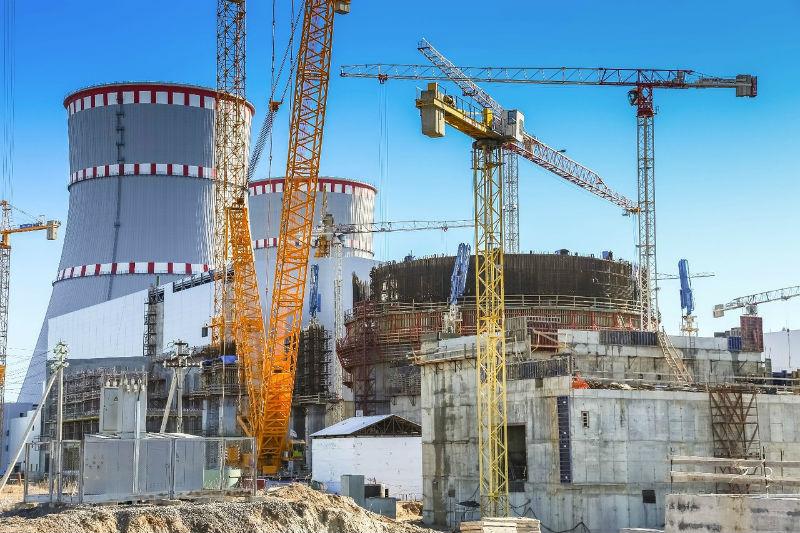
The technical customer service identifies responsible suppliers of materials, technical devices, and necessary equipment. Quality and environmental checks are conducted, and supply contracts are formalized.
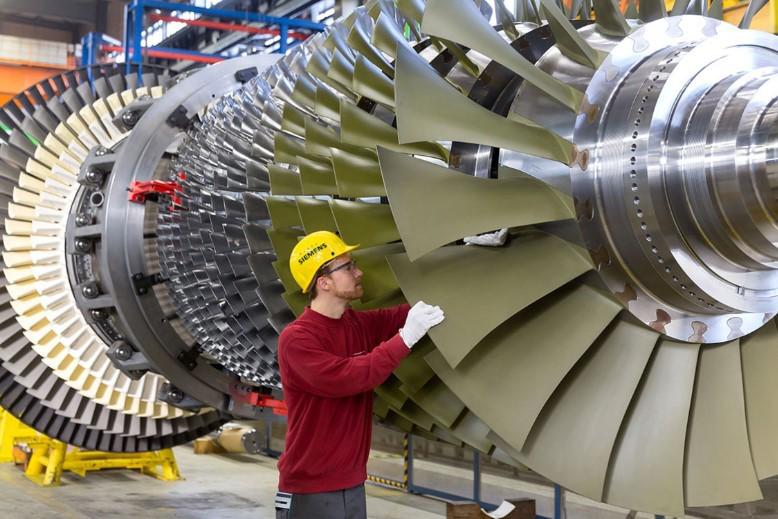
After verifying the object for compliance with technical specifications, sanitary-hygienic norms, safety requirements established by the current legislation of Ukraine, the completed facility is handed over for operational use according to its intended purpose.